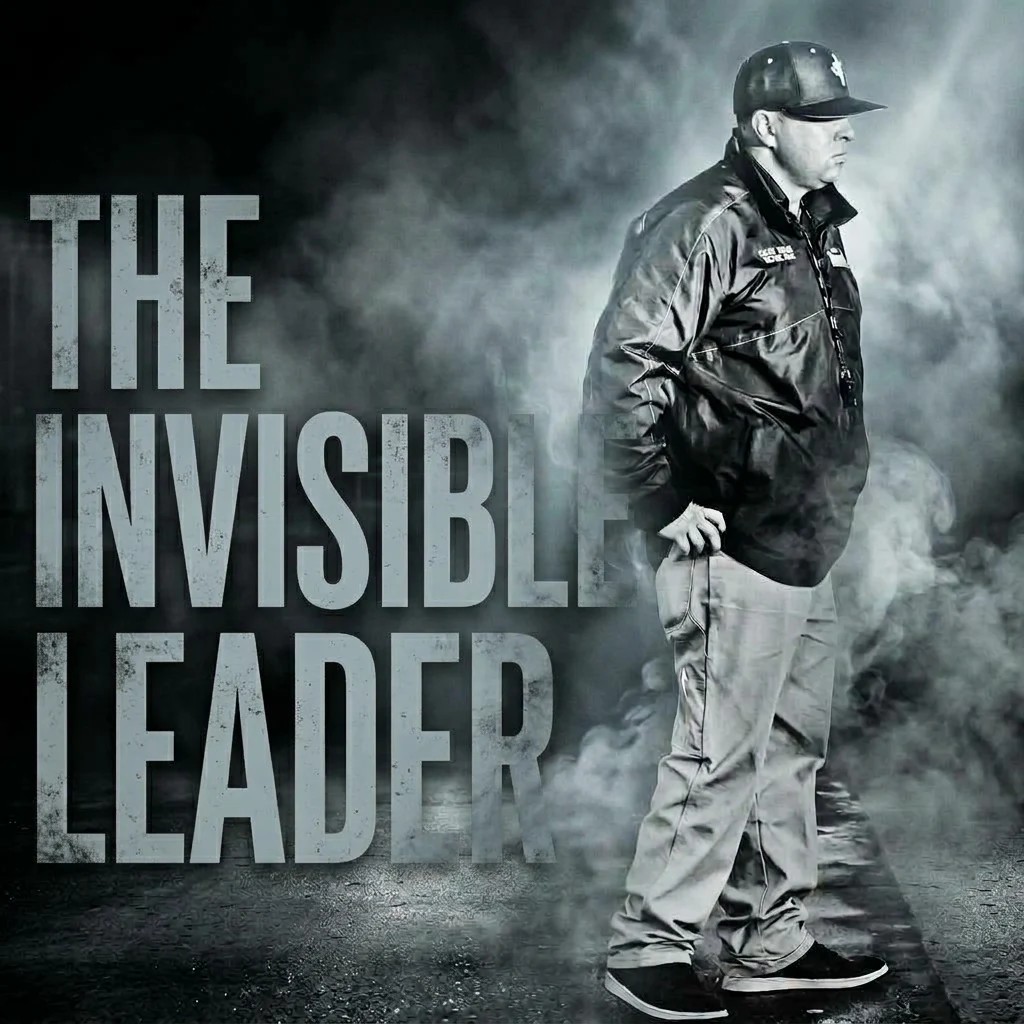
Chapter 37
Coaches love their performers. Everyone wants the superstar on their team. Sometimes, coaches rely on that one great player, and forget to credit the people that contribute to more than that one performer that leads to the success of the team. Most high performing coaches will admit it is a team effort fed by a multitude of contributions across a team roster, support staff, clerical, sponsors, family, and friends. Unfortunately in our world, we do not have high performing experienced coaches in all situations. It’s quite the opposite. We have a lot of people that haven’t found their success yet, or built a reputation, a team culture, or a team infrastructure, and are using the process to grind and make a name for themselves. The levels of wisdom are disparaging. It becomes thinner at the top. We all think that it has to be that way, but there are no rules that say more people cannot earn a spot among the greats.
Part of the formula that coaches learn is the desire for that “one” player cannot be the only component to building a culture or a singular focus to success, there is more to the equation. This is where a lot of people get overlooked. There needs to be caution in evaluation of talent, because talent alone does exist only in the performance in a game or the field. It is transferred among different roles collectively. There is a measure of other contributors that lead in different ways away from just performing in the game. Each team member brings a certain value to the overall cohesive aspect of success and winning. One of my favorite people who bought into this philosophy was Bill Walsh. At the time, it was considered eccentric in the ranks of the NFL, but now has become the standard from the top down in understanding everyone has a role and it is the leader’s job to masterfully understand the talent that is in the building to unlock a collective potential. Reflecting on your own practice, whatever level coach or leader you are, are you checking in with ALL of your people? Are you having a face to face connection with them? Are you making it your duty to follow up with every individual? The successful coaches do.
Why is this significant? When a coach, leader, or organization focuses on a mission together, then everyone finds alignment. This force can withstand hiccups and bumps along the way, especially if a human element throws a wrench into the system because you are working together. But unfortunately, the realization is that new or weak leaders don’t adopt a strategy similar to a collective soul. Each person finds themselves working on their own or for their own piece of the pie, which psychologically creates an unintended gap between operators or teammates at all levels. This space grows wider as credit or notoriety is given to that one “superstar” we mentioned at the beginning. We may see temporary success, but in this model, the success would probably fail in the long run, which is why we see many teams and organizations go through slumps, or “losing strength”. This even leads to a self induced barrier where the team is on the cusp of taking the next step to greatness, but keeps missing because recognition needs to be spread across to multiple components of a team.
In my own experience, I have seen this so many times in coaching. We can apply it to all levels depending on your own situation, but here for the purpose of this writing, I will use the case of high school/college coaching. In so many games, tournaments, events, or what have you, many coaches are completely oblivious or unaware of certain contributions from the team in general. Usually this comes in the form of those behind these scenes, or those not starting or getting playing time, team managers, lower classmen, bench players, etc. – you get the picture. I am not arguing that performance talent isn’t required to be successful, because it definitely needs to exist in some form. What I am saying here is this is a misnomer of thinking that performance players are established leaders, because that theory is not always true. A top performer could be a wack-a-doo but they play awesome. Coaches have to calm their urge here to be selfish. I am a coach too and understand the need for performance players, but I also have had the opportunity to develop an inexperienced team and turn them into champions. Multiple times. When we see examples of development and growth, I think it is a great opportunity for us to re-evaluate the type of characteristics we want as leaders on our team. If a coach, manager, or leader took a moment to relook around the room under these conditions, you might just find your “Invisible Leader”.
The “Invisible Leader” is the person that doesn’t need the gratification that the “superstar” craves. The Invisible Leader’s clock ticks a different way because they have programmed and developed themselves to get the job done where it is required without public acclamation. What drives this person to want to be a leader is the fact they get to help others, and that they are accepted as an equally valued teammate. But how many coaches “equally value” their superstars from their bench players? Maybe the Invisible Leader would shine if more attention would be paid to their development, rather than given a large portion of looks and time towards the one that is already producing points only. It’s a twisted way of trying to dissect the causes of winning or success. My brain analyzes this deeply and I have the firm belief that talent is a byproduct of development, and that it just takes a certain amount of time for each person in a process to begin to show progress.
The problem here is two-fold. First, many coaches don’t have the patience and will power to wait and develop. They want or need those results now. It’s quite a conundrum because companies do have limitations and timelines attached to winning and performance goals, and some coaches will never reach a curtain level if they are expected to whip a team around in a short order to produce. But if that is not the case, a weak coach will not give two looks to someone that in their mind doesn’t meet the same value as their “superstar”. It’s really unfortunate all around. Secondly, a fixed mindset coach that is unwilling to adapt and grow within themselves and/or has a character flaw, will fall victim to not fully understanding the casualties they are creating by harnessing the essence of each teammate.
What we are seeing is capable individuals who are absolutely ripe for development leaving sports, jobs, or interests because the value of “The Invisible Leader” is not acknowledged appropriately. Again, the psychosis of these types of people is they want to feel a part of something and their dedication to a team mission might not be the winning or losing in the moment, but in the effort spent to develop themselves and those around them to truly understand what victory really is. When this occurs, naturally growth becomes the driver when accepted, and success starts to creep into the way a team holds itself. That is why we sometimes see an immediate reduction of negative performance with the same staff, clientele, or athletes when a program changes hands from one coach to the other. One coach is ready to acknowledge and accept the value of each member, not necessarily the focus of the other previous coach whose limited vision was a portion of the team that is deemed better than everyone else.
We need to be looking for “superstars” everywhere in our organizations and teams. I bet you will find your “Invisible Leaders” within. The only thing that changes is the coach doing the hard work, adjusting their understanding to oneself and the others around them. Once every coach begins to understand how to work or create amazing teams from within in this manner, the “Invisible Leader” will no longer be hidden. Your leaders will bloom and blossom because now you are dedicating your attention in a different way to seek the results that were your initial primary performance goals. It’s an awesome sight to see and an even greater experience to be a part of a team, where even if these people on your team never see the lights of gametime or get on the floor, so to speak, they are still leaders making a difference where they are worthy of being accepted equally.
To find out what happens next… Subscribe to my blog here for the next chapter. Follow me on all my platforms for more #Inspiration – Instagram, Twitter, Facebook, SoundCloud, and Youtube.
Written By Chris Hulme ( aka – Coach Hulme ) #CoachHulme #ChrisHulme #TheHulme
Chris Hulme has degrees and certificates from:
MIT (Science, Technology, and Innovation Policy), California Baptist University – CBU (Education), Duke University (Human Resource Management), University of Southern California – USC (Strategic Business Efficiencies), Cal State Fullerton (History), and University of Arizona (Transformative Leadership Psychology)
Share with someone who may need the Inspiration…
#inspiration #leadership #faith #hope #success #life #coach #hulme #motivation #motivationalthoughts #motivationalquotes #inspo #positivity #success #inspirational #motivational #inspirationalquotes #inspirationalblog #blog #teacher #teachers #mindset #dailymotivation #encouraging #blessed #purposedriven #transformation #spiritual #selfhelp #selfhelpblog #christianity #jesus #God #peace #happiness #kindness #education #educational #positive #positivethoughts #psychology #coachhulme #chrishulme #fatherhood #parenting #coaching #love #family #toys #funko #fear #football #performancepsychology #selfdevelopment #self #selfworth #adversity #basketball #blogging #classroom #communication #courage #disney #disneyland #diy #educationblog #encouragement #family #fitness #highschool #learning #lifestyle #mentalhealth #middleschool #mindfulness #mindset #personalgrowth #school #selfimprovement #soccer #sports #teacherblog #parentblog #teaching #team #teamwork #wellness #childhood #children #teens #teenagers #adolescence #loss #losing #win #winning #mentalwellbeing

