The Coaching Chronicles: Game 4
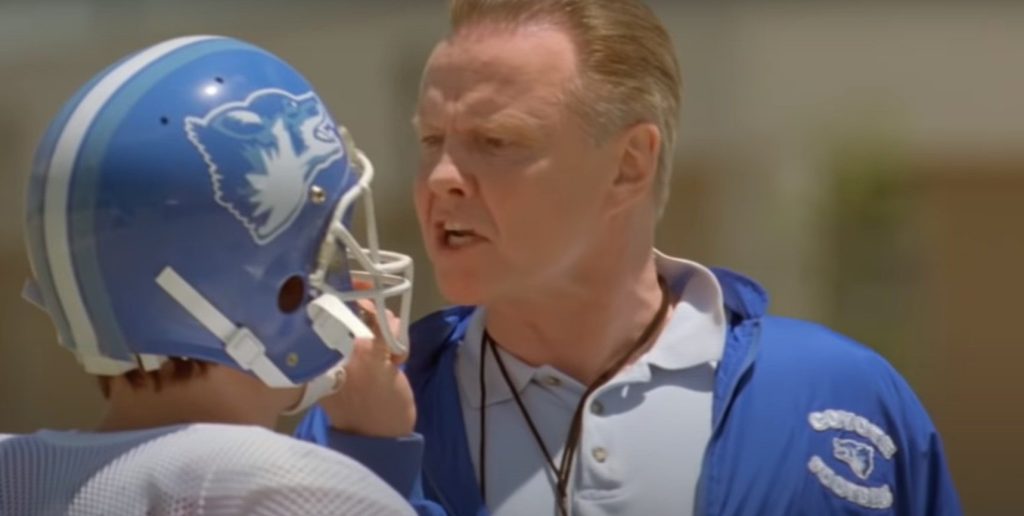
Have you ever wondered what you sound like from the sidelines when you are coaching? Are you a crazy maniac losing their junk or are you a zen master controlling the atmosphere around you? Is what you are saying, screaming, yelling, or exclaiming even being heard? Are you throwing temper tantrums, slamming chairs, or breaking clipboards? Take a deep breath Coach.
Have you ever thought that you may not even be heard by your players, no matter how much you look or sound like an total butt-munch on the sidelines? Have you ever reflected that you are the model for what you want your players to be? If you are losing your junk or self control, take a step back and reflect for a moment. From thousands of games coached, years from the sideline, personal research on brain function and psychology, leadership studies, and tons of healthy conversations among other coaches and organizational leaders, it is my opinion that we must be more intentional with our words and purpose of our actions. In a previous blog, Win At All Costs, we talked about being emotional free and Neutral Coaching where we could harness production by being mindful of our presence and not allowing positive or negative external factors control of our inner self. This thought process and theory relates to how we can control our actions and be more aware of our outer selves and the way others perceive or receive information from us in the process of playing the game – whatever sport game or the game of life.
This deduction is a difficult task. I know the “Old School Mindset” people are yelling at my writing saying “This is some serious BS… who does Hulme think he is???” Well, I politely respond back “Well, how does it feel when you scream from the sidelines getting your heart all pumped, your body all sweaty, and to still have half or all of what you said undermined or not even listened to by your players or people?” My research into this started about 8 years ago when I was an assistant coach at a school (that I was completely over qualified for). I had all the knowledge and understanding, good with athletes, championship pedigree… you name it. I was at the top of my game at the lower levels, but when I had a chance to step into the big role, I became one of the loudest people from sidelines. I was barking out defensive switches, adjustments, calling out changes from the sidelines… boy, my voice was loud. My attitude doubly loud. Despite my sport acumen and even my outrageous persona, I still had players make stupid plays, had parts of the game mistake riddled, and so forth. In my opinion, I thought I did everything I could. My program’s head coach came up to me and said “you talk too much”, “you are too loud when not necessary”, and “you are joysticking your players”. What??? How could that be possible? I literally had never been told that ever before in my life. All I was trying to do, is share my wealth of knowledge with my players to make them the best they could be. Isn’t that what we all really want as a coach or leader? The best for others? My program’s head coach taught me a life lesson that day that. We had a long discussion that lasted many years until I Ieft the program for greener pastures and better career opportunities. BUT that lesson that I learned – transformed my coaching forever. I began studying the brain of adolescents, teenagers, and adults. I read every piece of leadership communication I could get my hands on. I began reaching out to NCAA and professional coaching staffs asking them questions regarding transformative coaching. While everyone I talked to had a sightly different stance or opinion, what I gathered in this process, I began to piece together my own framework towards coaching and player development (or employee development). Want the secret??? Almost all of us coaches don’t realize we are wasting our breath…literally.
Have you ever been a spectator and watched a coach from the sidelines with above characteristics and it seems like that are oblivious to what is needed to adjust and help their player and teams.? EXACTLY! It doesn’t take a brain surgeon to apply this to coaching. One of the oldest laws in communication is to make eye contact with whoever we are trying to communicate with. Within that, there are exceptions – maybe obtaining the attention of who we are trying to communicate with is a better and more wholistic description. Soooo… why are we yelling at the air towards the person we are trying to communicate with when they are playing a game? What is that person presently doing as well? Their body and brain are currently engaged in playing the game! So why would we think as coaches, that what we yell will be processed in their brain? If you did not know, the brain does not multi-task. It switches off processes and re-focuses on whatever is present. With this knowledge, if your athlete is playing the game, what makes you think that what you say will be received if the brain doesn’t function that way??? AHA! What an “Aha” moment for many of you reading this! I am handing you the secret to all future communication in your coaching career right now! Wait until you are able to tell your athlete what you want from them – in a timeout, stop of play, pause in game, and even allllllll the practices that you have undivided attention and preparation time to prepare them for this moment right now. That’s how you unlock your zen master inside! No more need to yell at your players, no need to pace back and forth on the sidelines, no need to pull your hair out! Make the change now in your style and you will thank me for it forever. This is not the only solution to top level coaching, there is definitely a lot more to this discussion, but this is definitely a huge piece of it. It will be transformative to you, just as much as it was for me. Maybe you are thinking, “that’s just not my personality…” Well, I respond politely and push back, that the new wave of coaches are engaging into more player development workshops, brain research, and leadership seminars so they can reflexively adjust to the needs of their players. There might not be a lot right now, and someone like me may seem like an anomaly, but in the next decade, organizations which house youth leagues, high school sports, college, and professional level sports will have more prominent demands on coaching behaviors that previous generations haven’t seen before. If you don’t adjust to the research, you will be a fossil. You will lose your relevancy because these organizational higher ups will go with the newer reflexive version of coaching because parent and individual demands will force them to do so.
I had a game last week where things definitely were not going our way. We were down, I had a few players dragging, some missing their assignments, etc. What I didn’t do is yell at them in front of their peers and embarrass them, nor did I yell at them and let them openly know what mistakes they were making, as well as I did not openly show my displeasure at their inabilities to follow through on what we practiced on in preparation up to the game. I was definitely frustrated. But the zen master came out in me, because I had made the shift years ago. I was cool, calm, collected, and spoke with a balanced voice when we had our break between periods. On the other hand, there were parents kicking and screaming from the stands shouting horrific things at their own kids that I dare not repeat in writing here. You see, our society is not used to some of the changes that the top tier coaches are doing. We have been taught to chase the “W”. We have been taught to express how we feel without constraint. These behaviors from leaders – parents, coaches, whoever is in charge are unacceptable. No one has stood up as a whole to change the mess we have created. When things don’t go our way, we begin to panic and lose control. We issue that “Kicking and Screaming” policy that allows us to be a total jackwagon to get what we want.
If you want to be a better coach, parent, and/or leader… you need to be quiet. When you speak, it needs to be heard. Stop kicking and screaming from the sidelines and wasting your breath. Stop looking like a crazy-person and focus on the true purpose of your words in a calm way. Trust me, your players will thank you. They may not be used it because every coach has yelled at them their whole life. But once you show them that you are in control of yourself, it is highly likely, they will be more in control of themselves. That makes for a better player which is what you wanted in the first place.
To find out what happens next… Subscribe to my blog here for the next chapter. Follow me on all my platforms for more #Inspiration – Instagram, Twitter, Facebook, SoundCloud, and Youtube.
Written By Chris Hulme ( aka – Coach Hulme ) #CoachHulme #ChrisHulme #TheHulme
Share with someone who may need the Inspiration…
#inspiration #leadership #faith #hope #success #life #coach #hulme #motivation #motivationalthoughts #motivationalquotes #inspo #positivity #success #inspirational #motivational #inspirationalquotes #inspirationalblog #blog #teacher #teachers #mindset #dailymotivation #encouraging #blessed #purposedriven #transformation #spiritual #selfhelp #selfhelpblog #christianity #jesus #God #peace #happiness #kindness #education #educational #positive #positivethoughts #psychology #coachhulme #chrishulme #fatherhood #parenting #coaching #love #family
 Coach Hulme